
Gov’t unlikely to meet 2030 nuclear power target despite progress
By Kizito CUDJOE
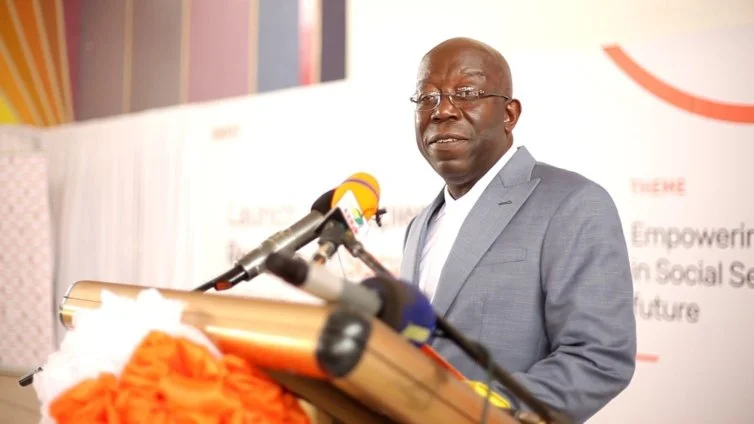
The country’s long-held ambition to generate nuclear power by 2030 is slipping out of reach despite more than a decade of groundwork and steady institutional progress, a leading nuclear expert has revealed.
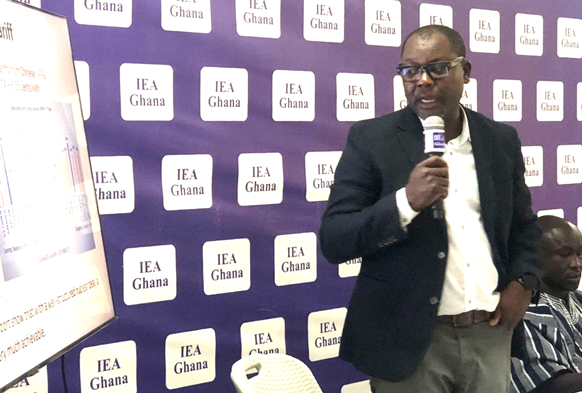
Dr. Archibold Buah-Kwofie, Director-Nuclear Power Institute (NPI) at the Ghana Atomic Energy Commission (GAEC), said the country’s original timeline that envisaged the first commercial nuclear power plant coming onstream by end of the decade is no longer feasible.
Speaking at a high-level roundtable organised by the Institute of Economic Affairs (IEA) in Accra, he explained that while important milestones have been achieved since the nuclear roadmap was launched in 2015, sheer complexity of the process has inevitably pushed the programme beyond its initial schedule.
The delays, it emerged, are tied to regulatory requirements, infrastructure readiness and financing arrangements that have combined to slow progress – reflecting the inherently long lead times associated with nuclear power development across the world.
Dr. Buah-Kwofie described nuclear energy as a transformational undertaking that demands long-term commitment, policy consistency and careful sequencing of activities.
“It is also a very geopolitically significant activity,” he noted, adding that Ghana’s programme remains one of the most advanced in West Africa and could position the country as a strategic anchor for nuclear development in the sub-region.
He maintained that nuclear power presents a dependable baseload option capable of underpinning industrialisation and sustained economic growth, particularly at a time when the country’s traditional energy sources are coming under increasing strain.
Ghana, he observed, has already exploited about 70 percent of its viable hydropower potential. The remaining opportunities are relatively limited and, in some cases, compromised by the effects of illegal mining which continues to degrade water-bodies and reduce their long-term viability.
On the thermal side, he noted that although the country began utilising natural gas in 2008 following discoveries in 2006, projections under the national gas master plan suggest output could begin to decline by 203 – with early warning signs already evident.
This outlook is significant, given that thermal generation currently accounts for roughly 62 percent of Ghana’s energy mix. Such dependence, he warned, leaves the system exposed to fluctuations in global oil and gas prices… factors largely beyond the country’s control.
Recent swings in international fuel prices, he said, underscore the vulnerability of relying heavily on imported or externally priced energy sources, with direct consequences for electricity tariffs and overall energy security.
Against this backdrop, Dr. Buah-Kwofie pointed to ongoing international efforts led by the International Atomic Energy Agency and International Renewable Energy Agency to integrate nuclear energy with renewables, such as solar, in order to build more resilient and balanced energy systems.
“There is a lot of research going on. We are also doing some work locally,” he said. “It shows clearly that no country can rely on a single energy source if it wants a robust and secure system.”
He added that many countries now treat energy security as a matter of national security, an approach Ghana must begin to adopt as it plans for its long-term power needs.
In line with international best practice, the International Atomic Energy Agency recommends establishing three key institutions to drive nuclear development: the Ghana Nuclear Power Programme Organisation (GNPPO), an independent regulator established under the Nuclear Regulatory Authority Act, 2015 (Act 895) and a project developer that ultimately transitions into being the plant’s owner-operator.
Dr. Buah-Kwofie noted that these institutions are already in place and playing their respective roles, marking an important step toward building a credible and internationally compliant nuclear programme.
However, he expressed concern about the current state of the programme’s central coordinating body, which was established at the nuclear initiative’s outset in 2015.
According to him, the body – then located within the Ministry of Energy and Green Transition and chaired at the deputy ministerial level, with membership drawn from various ministries and agencies – has become largely inactive over time.
While phase one activities were successfully driven by the Ghana Atomic Energy Commission, he said the transition to phase two, which is more project-oriented, demands a stronger and more coordinated institutional arrangement.
He therefore called for reactivation and strengthening of the coordinating body, stressing that it must be made fully functional and better-aligned with the programme’s technical demands.
He also recommended that the Nuclear Power Institute be formally embedded within the country’s governance framework to provide sustained technical leadership and ensure continuity in implementation.
Equally important, he emphasised a need for reliable and dedicated funding to support both the coordinating body and its technical arm – warning that without sustained financial backing, progress in the current phase could face further delays.
Ghana is currently in phase two of the International Atomic Energy Agency’s milestone approach, having completed phase one and submitted its report to government in 2019.
The roundtable was held under the theme ‘Powering Ghana’s Industrial Future: The Role of Nuclear Energy in Energy Security and Sustainable Development’.
Dr. Archibold Buah-Kwofie, Director-NPI
Ghana Fiscal Council Members Nominated
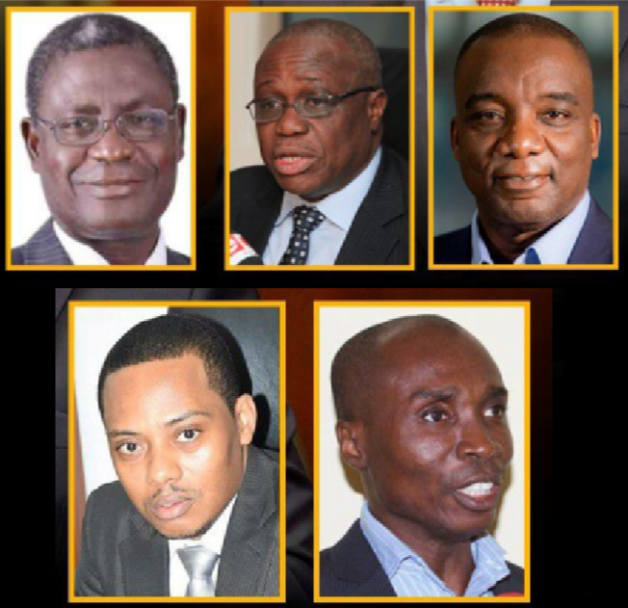
The nation has taken a significant step toward strengthening its public finances institutional architecture, with President John Dramani Mahama nominating five individuals to serve on a newly constituted Fiscal Council; an independent statutory body charged with monitoring government’s adherence to fiscal rules and advising on the management of public funds.
Dr. Emmanuel Oteng Kumah, an international economic consultant with 25 years of experience at the International Monetary Fund (IMF), including a stint as Division Chief and IMF Resident Representative in Djibouti, has been nominated as Chairperson. He is also a former Board Chairman of Standard Chartered Bank Ghana.
The remaining members are Dr. Henry Akpenamawu Kofi Wampah, who served as Bank of Ghana Governor from 2013 to 2016; Associate Professor Patrick Opoku Asuming of the University of Ghana Business School, a development economist with a PhD from Columbia University; and J. Kweku Bedu-Addo, a former public policy expert at the Ministry of Finance.
The fifth member is Leslie Dwight Mensah, a research fellow at the Institute for Fiscal Studies (IFS), who joins the Council as the representative from a research think-tank. Mr. Mensah brings a distinguished profile to the body.
The nominations announced by the Presidency on Wednesday, April 8 were made pursuant to Section 11D of the Public Financial Management Act, 2016 (Act 921), as amended by the Public Financial Management (Amendment) Act, 2025 (Act 1136). All five nominees are subject to parliamentary approval before the Council becomes operational.
“The Fiscal Council will work to strengthen financial oversight, fiscal prudence and shape sound decision making in public financial management,” the statement signed by Felix Kwakye Ofosu, Minister of Government Communications, announcing the development read in part.
Before his career in economic policy research, Mr Mensah served as Deputy Editor of the Business and Financial Times between 2011 and 2013; a position he held at a notably young age and one he remains the youngest person to have occupied. He is also the youngest member of the newly constituted Council.
At the IFS, he has demonstrated an independent disposition toward fiscal policy. In the IFS review of the 2024 budget, he warned that elevated Treasury bill yields exceeding 30 percent were eroding the gains from Ghana’s domestic debt restructuring, arguing that without stronger fiscal consolidation government risked compounding its financing burden.
More recently, in August 2025, he cautioned against an early return to the international capital market, describing resumed external borrowing as unsustainable and urging government to instead deepen revenue mobilisation in the extractive sector.
The Council’s establishment comes at a moment of acute fiscal sensitivity. Ghana is navigating the final stages of its IMF-supported programme, with government targetting a debt-to-GDP ratio of no more than 45 percent and primary surplus of at least 1.5 percent.
Officials at the Ministry of Finance have argued that an independent external institution is essential to credibly enforce these targets; a view echoed by policy analysts who have long pointed to weak expenditure controls and recurrent fiscal slippages as structural vulnerabilities in Ghana’s public finance management.
The 2025 amendment that created the Council also repealed the Fiscal Responsibility Act, 2018 and replaced the Presidential Fiscal Advisory Council that had operated since that year.
Under the new law, Council members are barred from holding any position within government – a provision intended to insulate the body from political influence.
Responding to an enquiry on X (formerly Twitter) about how the current council differs in reach from the erstwhile Fiscal Responsibility Advisory Council, Dr. Theo Acheampong, Technical Advisor at the Finance Ministry said: “First one was just Advisory; this new one has teeth to bite (sic)! They draw their mandate directly from the PFM Act, as amended. They have a clear mandate, reporting lines and modes of engagement with diverse stakeholders”.
“The global evidence on fiscal councils (sic) is very clear: the empirical evidence shows that having a fiscal council is associated with ‘more accurate and possibly less optimistic fiscal forecasts, as well as greater compliance with fiscal rules’.
“However, the independence of such a council is critical to achieving such compliance. We’ve (sic) legislated the independence of Ghana’s Fiscal Council. The work to be done now is giving it the tools to perform and assert that independence,” he added.
The Council is expected to produce three substantive reports annually, timed to coincide with the mid-year budget review, presentation of the main budget and other fiscal compliance assessments.
It will also conduct value-for-money reviews and evaluate the distributional impact of government expenditure on poverty and inequality.
Cement price increases to ¢73 as manufacturers blame cedi depreciation
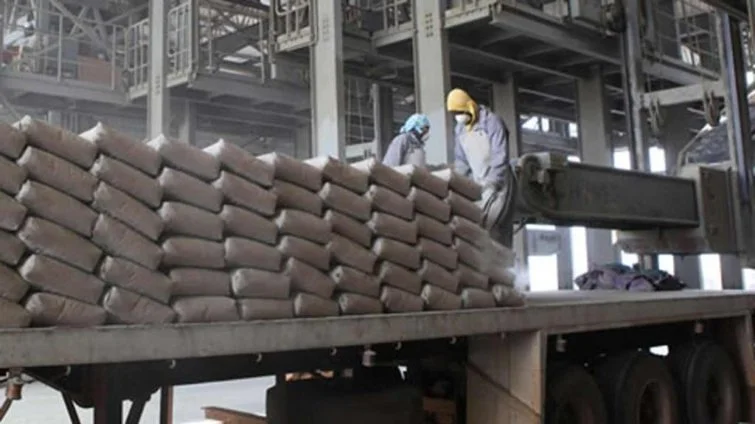
The price for a 50-kilogramme bag of cement has been increased by manufacturers, effective August 30.
Checks by Joy Business revealed that all the major manufacturers have adjusted their prices upward.
GHACEM’s new price list
GHACEM’s new price list for its distributors indicated a price of ¢64.59 for a 50-kilogramme bag of cement of Super Rapid.
Its Super Strong brand is however selling at ¢68 per bag, while the GHACEM Extra is going for ¢72.91.
Why the increase?
Some of the manufacturers say the increase has been influenced by a sudden rise in the cost of operations, from July 2022, due to the sharp depreciation of the cedi over the past months.
Officials at one of the manufacturing firms told Joy Business on condition of anonymity that, “when the factory price (wholesale price) of a 50 kilogramme was about ¢59.00, it was based on an exchange rate of about ¢7.60 in June 2022.
Some of the manufacturers also said customers should expect about ¢8 to ¢15 increase per bag on the market.
This will, however, be influenced by the location as Accra may have a different price from the other regional capitals due to transportation.
The rising cost of operations
“Based on the fact that most of the manufacturers have to import some of the raw materials at a dollar rate of more than ¢9, someone has to take care of this sudden increase in cost”, a manufacturer said.
Some of the manufacturers also told Joy Business that t it has been very difficult to absorb all the rising costs of operations, and therefore there is the need to share some of the burdens with consumers.
This might be the second time in less than three months that the price of the product has gone up due to what the manufacturers described as the rising cost of production
Impact on housing industry
The development may impact the prices of houses in the short term and the personal budget of many individuals who are currently putting up houses in the country.
It could also affect the cost of ongoing construction projects.
Reducing cement prices
Manufacturers had in recent times pushed for government to take a second look at the taxes on the inputs and charges at Ghana’s Ports.
They had hoped government will take an action to help reduce the price of cement.
It is the hope that these manufacturers will see review taxes/levies at the ports, a move that could help slow down the hikes in the price of cement recorded in recent times.
Afreximbank loan: government’s decision to establish escrow account prudent, but needs parliamentary approval – Associate Professor of Finance
Associate Professor of Finance at Andrews University in Michigan, USA, Dr. Williams Peprah, has described government’s decision to establish an escrow account as a prudent cash management principle that will enable settlement of the interest on the Afreximbank loan, which is due in six months’ time.
$37 million of the $750 million loan has been set aside to pay the lender when it is due, to avert any default.
This has sparked debate, with the Ranking Member, Finance Committee in Parliament, Cassiel Ato Froson, questioning the legality of establishing an escrow account, insisting it was not part of the initial finance agreement approved by Parliament.
A Deputy Finance Ministr, Dr. John Kumah, said he was surprised that Mr. Forson thought “liability of government under this facility only kicks in after 3-years”.
The Minister added that during the term of the National Democratic Congress, “escrow debt service accounts were established for many projects including; a) the CDB Facility for Ghana Gas, b) Kumasi Market Phase 1 and c), the Kasoa Interchange Project”
But speaking to Joy Business Dr. Peprah said government did nothing wrong by establishing the escrow account.
However, he wants Parliament to approve the amendment, paving the way for the establishment of the escrow account.
Ghana government is trying to be prudent in terms of cash flow management to be able to meet the interest payments which will be due in the next six months from the date that it was drawn down. This gives an indication that government is aware that the short fall of currency, especially dollars in the system [circulation] is not going to end anytime soon”.
“So the establishment of the escrow account is to help government manage its cash flows to be able to meet the payment [interest], in other words not to default on the interest payments”, he explained.
“Legally, government may have to go back to parliament if they want to put in this escrow account in place. But I’m sure government is trying to be more prudent in its cash flow management and to assure Afreximbank that it will pay back the $750 million. It will be very suicidal if government fails to pay the interest due in six months’ time”, he added.
Dr. Peprah further said government may have to defer some of the projects that the monies are to be used to finance to make room for the $37 million which has been set aside.
“Moreover, if government is able to collect its revenue as planned [meet revenue target], we’ll get the money to be able to put it back or put it at a place where we took the $37 million from”.
GEA targets special business groups on COVID-19 response grant
The Ghana Enterprises Agency (GEA) has been engaging interest groups in the Ashanti region on access to the Covid-19 response grant.
The grant is to provide liquidity and support to enable SMEs to adjust and grow out of the Covid-19 crisis in selected sectors of the economy.
The programme under the Ghana Economic Transformation Project will have a strong focus on Ghanaian export-oriented firms, female-owned enterprises, companies owned by persons with disability and youth enterprises.
These should fall within the small and medium enterprise category.
The project disbursed ¢28.7 million to more than 370 SMEs between September 2021 and March 2022 with 158 women-owned businesses as beneficiaries.
However, ¢38 million is earmarked for the expansion of the Covid-19 response grant.
GEA targets special business groups on COVID-19 response grant
Daniel Owusu Ansah, deputy regional director, Ghana Enterprises Agency (GEA).
Deputy Regional Director at the Ghana Enterprises Agency (GEA), Daniel Owusu Ansah, says the engagement will allow GEA to interact with stakeholders and provide information about eligible sectors, minimum qualification requirements and the selection for the grant.
“…The nationwide grant will focus on only SMEs most impacted by the Covid-19. A portal has been provided for small and medium enterprises to register”.
About 400 small, and medium enterprises will benefit from the Covid-19 response grant to sustain and grow their business.
GEA targets special business groups on COVID-19 response grant
Regional Manager for the Association of Ashanti and Brong Ahafo region, Thompson Appam Attebila
Regional Manager for the Association of Ghana Industries (AGI) for Ashanti and Bono regions, Thompson Appam Attebila, urged businesses to utilize the money effectively.
“Most businesses suffered during the outbreak of Covid-19 but I believe this grant will revive most businesses. Business owners should avoid using the grant for personal things and invest in their businesses,” he said.
Prince, a business owner, who spoke to Luv Biz said,” Persons with disability are productive when it comes to business and we’ve employed a lot of people in our companies. I want to thank the GEA for always supporting persons with disability”.
The COVID-19 response grant programme is funded by the World Bank and implemented by the Ghana Enterprises Agency (GEA) under the Ghana Economic Transformation Project (GETP).

Fuel prices to go up between 5% and 10% – IES
Beginning September 2022, fuel prices are set to see a sharp jump between 5% and 10% at the various pumps.
According to the Institute for Energy Security, this will add close to 70 pesewas to the current prices.
Presently a liter of petrol is going for about ¢11 on the average and ¢13.70 on the average for diesel.
The IES attributes the increase in fuel prices to the sharp depreciation of the Ghana cedi to the US dollar which it puts it at over 10% during the last two weeks.
It is therefore advising consumers to plan accordingly to the expected price hikes in the coming days.
“Whereas the price of petrol has fallen by 5.87% and that of Liquefied Petroleum Gas (LPG) by 3.28% on the world market, the Institute of Energy Security (IES) projects that prices of these products would rise at the pumps. For diesel, the 6.48% increase in price will further increase the rate of price jump in September (2022)”, it pointed out.
Prices went up by 20 pesewas on August 16, 2022
During the last pricing window ending August 31, 2022, prices of fuelrose marginally.
Oil Marketing Companies (OMCs) monitored within the pricing window by IES added on average 20 pesewas on their prices at their pumps.
During the period, the International Benchmark saw a 1.68% price reduction over the previous pricing window’s average price to a current average price of $96.72 per barrel from $98.38 per barrel in the previous pricing window.
Presently, the price of Brent crude is hovering around $109 per barrel
Government yet to settle ¢4.33bn public sector SSNIT contributions – 2021 Auditor-General’s Report
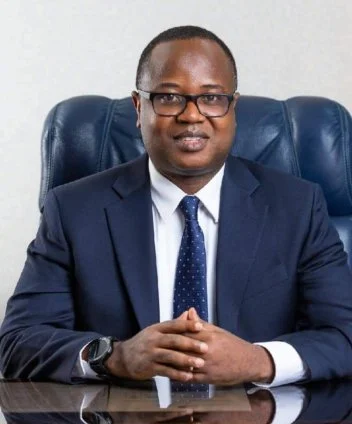
Government is yet to settle public sector workers’ contributions to the Social Security and National Insurance Trust (SSNIT), amounting to ¢4.33 billion, the 2021 Auditor-General’s Report has revealed.
The report is therefore recommending that management should liaise with the Controller and Accountant General’s Department and the Ministry of Finance on the payment plan for defraying the outstanding debt.
It, also, wants management to explain that SSNIT already has a payment plan with the Ministry of Finance to ensure that the outstanding debt is paid.
It however mentioned that government has so far made some efforts to settle the indebtedness, citing the year 2020, in which two bonds totaling ¢1 billion were received as part payment of the indebtedness.
The report further noted that 10 out of 45 unlisted equity companies SSNIT invested in, have not been paying dividend to the Trust for the past 10 years. The total investment value of the 10 companies stood at ¢150.3 million.
“We noted that 10 out of 45 unlisted equity companies SSNIT invested in, have not been paying dividend to the Trust for the past 10 years. The total investment value of the ten companies stood at ¢150.30 million”.
“According to management and from our reviews these investments were all legacy ones. Management however, provided the following explanations and actions that they are currently pursuing to normalise the situation”, it added.
The report therefore recommended that management should assess the operations of the companies to ascertain the reasons behind the poor performance and take strategic decisions that would safeguard the interest of the Trust.
Golden Beach Hotel Limited
The 2021 Auditor General’s Report pointed out that the company continues to record losses, hence their inability to declare and pay dividends.
It explained that recent weak performance has been due to the impact of the COVID-19 pandemic.
“The Trust is at an advanced stage in the process of seeking a strategic investor, and a transaction adviser has been working on the selection process”, he stressed.
CDH
SSNIT has a 1.3% equity stake in CDH.
The report said the company is not doing well as two key subsidiaries, Ivory Finance and CDH Asset Management have been liquidated and licenses withdrawn by their respective regulators during the financial sector clean-up.
SSNIT stake has been for sale since 2014 but there has been no offer for the past five years.
Bayport Financial Services Limited
The report said the company has not paid dividends since the merger between CFC Savings and Loans and Bayport Financial Services in 2016, mainly because of the integration of the operations of the two companies.
“Integration has been completed and staff downsized. Currently, the company has a positive Income Surplus so looking forward to paying dividends when it records profit. Monitoring the company’s current progress”, the report said.
BoG warns inflation may peak later in 2022 due to threat to outlook
The Bank of Ghana (BoG) is forecasting a peak in inflation later this year before trending back towards the medium-term horizon.
According to the Central Bank, this is due to the risk to the inflation outlook as result of increased commodity prices, particularly crude oil.
“The rest are heightened supply chain disruptions, and the over 20% increase in utility tariffs set to kick in from 1st September, 2022”.
The warning was contained in an address by the First Deputy Governor of the BoG, Dr. Maxwell Opoku Afari read on his behalf by Dr. Philip Abradu Otoo, Director of Research at a Financial Literacy Workshop for Journalists in the Northern Zone of Ghana.
The two-day training workshop was organised for selected Business and Financial Reporters in Tamale, Northern Region.
It was under the theme: “Sustaining the Recovery: The Role of the Journalist in Building Confidence”.
Implications
It is not clear for now what the forecast by the Central Bank will mean for the current rate of inflation pegged at 31.7% in July 2022.
Some observers have said it could show that the trend will go up further in the month of September and October 2022.
By this, some have observed whether if the Monetary Policy Committee of the Bank of Ghana will hike the policy rate again to deal with the fresh challenge.
The Bank of Ghana recently justified the increase in the policy rate to 22% because of threats to the inflation rate outlook.
Financing government
The First Deputy Governor noted that the Central Bank’s overdraft to government has helped close the financing gap as reflected in the Mid-Year Budget review.
This challenge, the Dr. Opoku-Afari, said is as a result of the access to the international capital market and given the constrained domestic financing.
“It is expected that the ongoing policy discussions with the International Monetary Fund (IMF) will help address the underlying macroeconomic challenges, restore fiscal and debt sustainability, and re-anchor sustainable balance of payments”.
Banking sector development
The First Deputy Governor was quick to add that the remarkable resilience of the banking sector over the last two=year period could be attributed to the comprehensive financial sector reforms that took place before the Covid-19 pandemic struck in 2020.
“The sector has since remained liquid, profitable, and well-capitalised”, he noted.
Dr. Opoku-Afari added that the industry’s measure of solvency, the Capital Adequacy Ratio, has remained well above the revised regulatory 13% prudential limit
Training for Journalists
Dr. Opoku-Afari highlighted the role of the media “during periods of heightened uncertainty when all kinds of news including fake news are rife on social media, even at times within mainstream media”.
“The spread of such misinformation has the potential to jolt financial markets and create panic among the general public with dire implications for financial stability”, he added.
The training workshop was aimed at equipping journalists with a better understanding of issues including monetary policy formulation, inflation targeting, forex trading and the foreign exchange market, balance of payments and the BoG’s eCedi.
The training workshop is part of efforts by the Central Bank to build a strong pool of financial and business journalists who will help the public to appreciate and understand its programmes and policies.
The participants at the workshop were drawn from the Northern, Upper East, Upper West and East Regions.
The Central Bank in June 2022, organized a workshop for journalists in the southern zone
"We are ready to help Ghana stabilize economy' - IMF boss after meeting Ofori-Atta
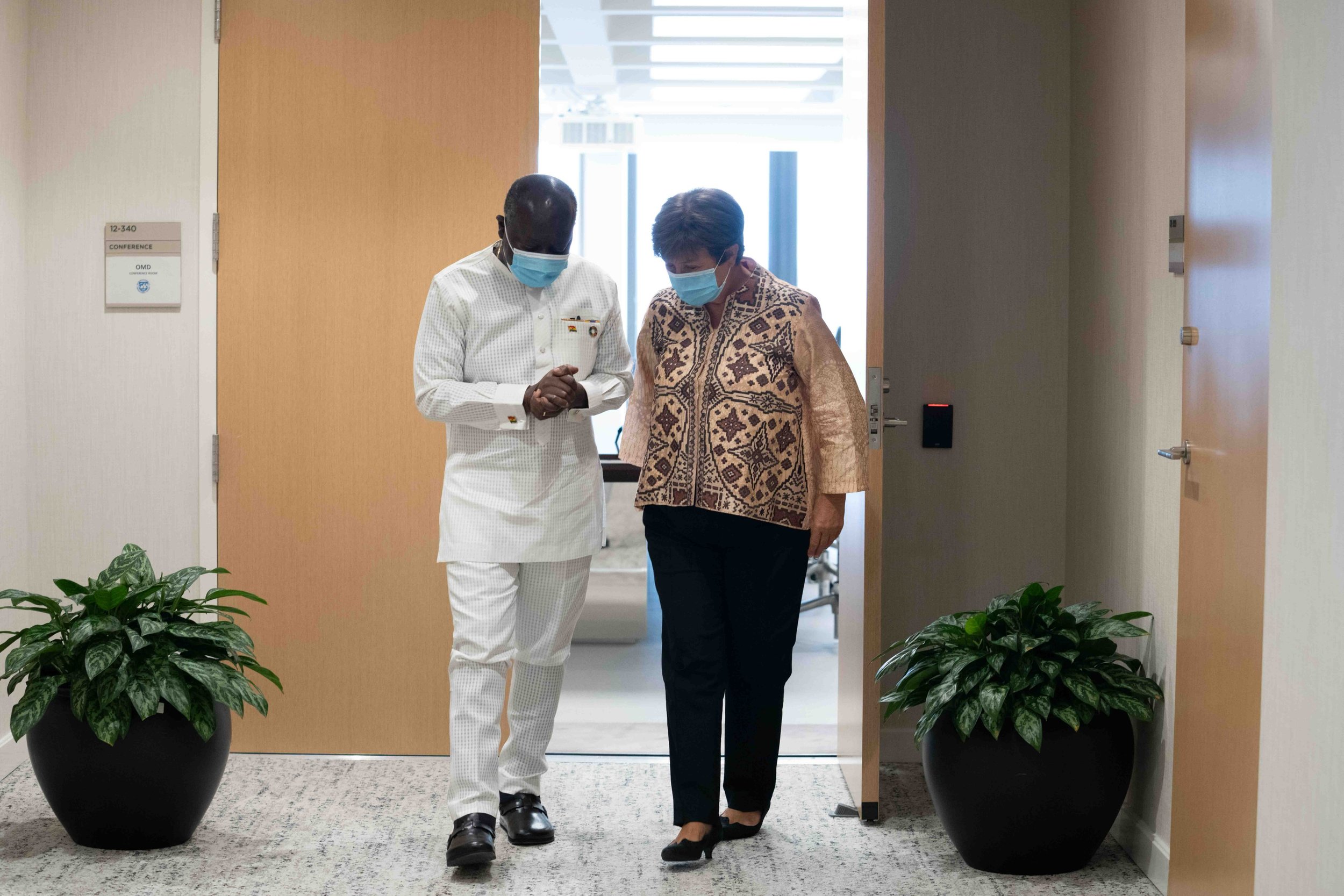
The Chair and Managing Director of the International Monetary Fund (IMF), Kristalina Ivanova Georgieva-Kinova, says her outfit is willing to assist Ghana to put the country’s economy on a better footing.
The Bulgarian economist made this known in a tweet on Friday, August 26, 2022.
According to her, the IMF’s decision to support Ghana stems from a ‘constructive meeting’ she had with Finance Minister, Ken Ofori-Atta and his team.
The meeting, she disclosed bordered on the challenges of Ghana’s economy and how to address them.
“Constructive meeting with [Ghana’s] Finance Minister Ofori-Atta & his team on Ghana’s economic challenges and the way forward.
We are ready to do our part to help the authorities stabilize the economy, lay the ground for stronger growth & help the most vulnerable”, the tweet said.
The assurances from the IMF Chair comes at a time when the country’s economic outlook appears to be in distress.
Currently, Ghana’s currency, the Ghana Cedi, is consistently depreciating against the US dollar at a fast rate which many citizens are lamenting about.
Inflation is also on the rise with the cost of living also on the high.
These factors, were amongst a list of considerations which compelled Ghana to seek assistance from the IMF on July 1, 2022.
In a statement by the Information Minister, Kojo Oppong Nkrumah, the move to go to the IMF is to help the global lender assist government in implementing some economic recovery prorgammes.
Meanwhile, the opposition National Democratic Congress (NDC), and other civil society organisations have criticised Ghana’s request for an IMF bailout, describing it as an imprudent measure.
According to the critics, the country’s economic woes are based on the failure of government to deal with its internal mismanagement and corruption, and thus support from the IMF will amount to nothing.
Ghana, 7 others to start trade under AfCFTA
Ghana and seven other countries will soon start exchanging goods and services under the African Continental Free Trade Area (AfCFTA).
The move is part of efforts to diversify and increase export among African countries through Export Trading Companies (ETCs) while achieving the Continent’s industrialisation drive and making it economically self-reliant.
Mr Herbert Krapa, Deputy Minister of Trade and Industry (MoTI), said this at a seminar to sensitise African countries on the role of ETCs in easing intra-African trade under the AfCFTA in Accra on Monday.
Organised by the African Export-Import Bank (Afreximbank) and MoTI, the event also discussed how ETCs were operated, supported, and regulated by Governments and other agencies.
Mr Krapa said: “Actual trading is starting between Cameroon, Egypt, Kenya, Mauritius, Rwanda, Tanzania, Tunisia, and Ghana. In the coming weeks, the dream of our forebears will be off the ground.”
He said the Secretariat had launched the AfCFTA Initiative on Guided Trade to translate all the progress on paper into action to make the continent’s industrial revolution and its ability for self-reliance attainable.
“Trading goods and services from Harare in Bamako or Kigali, or exporting processed cocoa from Accra to the entire northern African region should no longer be a nightmare if we make the appropriate investments into ETCs,” Mr Krapa said.
The Deputy Minister explained that ETCs would make Africa leave no one behind in the regional value chain particularly small and medium-sized enterprises (SMEs), young entrepreneurs, startups, light manufacturers as well as big industries.
These value-chain players will be providing export and import services, warehousing, transportation, finance, insurance, risk management and market intelligence, around which the free trade area will thrive.
He, therefore, encouraged Governments and private sector players to have the right policy, finance, institutional framework, productive capacity and infrastructure to enjoy the benefits that AfCFTA provided.
Touching on the current global economy, the Deputy Minister reechoed the need for Ghana and other African countries to pursue industrialisation and be self-reliant.
“As government institutions, exporters, financing firms, manufacturers, SMEs, and everyone else in the export ecosystem, we should all be energised to set up Ghanaian owned or partnered ETCs both domestically and across Africa. Africa’s industrial revolution must be realised at all costs,” the Deputy Minister said.
Dr Gainmore Zanamwe, Senior Manager of Trade Facilitation, Afreximbank, said the lack of access to market intelligence was impeding growth of ETCs in Africa, and contributing to inability of Member States to know what other countries were producing and needed.
He said that though ETCs were ineffective in many African countries, they were critical in helping the growth of smallholder farmers and traders through the aggregation and bulk purchase of goods produced.
Dr Zanamwe highlighted the benefits of industrialisation, noting that it helped in adding value to raw materials produced to increase revenue and job creation and called for the enabling environment to make ETCs thrive in Africa.

AI will power 85% of banking interactions by 2020 – FBNBank MD
The Managing Director of the FBNBank Ghana, Mr. Victor Yaw Asante has reiterated the need for banks and fintechs to collaborate to help promote effective customer interactions and a cashless economy.
He said that by 2020, 85% of client interaction will be done without human involvement which will also lead more banks to adopt chatbots in the same year.
“So basically, Artificial Intelligence (AI) will become a huge part of us. We will be using it to navigate customer services. Bankers must be able to tap into this by collaborating more also with Fintechs. Collaboration is necessary in the digitisation agenda. Banks are looking at integrating with others and we need to make sure we are interconnected to other players where customers can move their cash from the bank’s platform to other fintechs around and not necessarily in the area of banking”, said Mr. Asante
He made this statement during a two-day Digital Banking Summit organised by the International Centre for Strategic Alliances (ICSA) with First Bank Nigeria as Official Banking Partner.
The summit, on the theme:‘Digitisation of Banking Sector – En Route to a Cashless Africa’, was aimed at outlining the challenges and opportunities within the banking industry with focus on global trends of disruption in the banking sector.
Speaking on the theme, Mr. Victor Asante noted that to be able to drive a cashless economy in Africa, it is very important to encourage customers’ feedback while embracing other sectors.
He said: “Digital banking is about financial inclusion. It is not up to just banks to do stuff at their own pace because it has become client-centric. The clients have the power to push for change. So there is the need for us as banks to come up with new strategies, identify what these clients need, bring up innovation and creatively come up with means of making banking and financial services easier.”
The Summit brought together Banking, Financial Services and Insurance (BFSI) business executives from seventeen countries across the globe, to discuss cutting-edge digital solutions and develop a robust digital banking ecology under the theme.
Other panel discussions during the 2-day event also centered on the open banking revolution, blockchain as a tool for security and collaboration, the role of Artificial Intelligence, the opportunities and challenges of digital transformation on Islamic Fintech and the next step for mobile payments.
Other sponsors for this year’s Digital Banking Summit include Klynveld Peat Marwick Goerdeler (KPMG) as knowledge partner, MasterCard as lead sponsor, Temenos, BlueCode, Inlaks, Comviva, NetInfo, The Agile Advisor Africa, KuBitX and Customer Focused Solutions.

President suspends PPA boss
President Akufo-Addo has suspended from office with immediate effect, the Chief Executive of the Public Procurement Authority (PPA), Adjenim Boateng Adjei.
The action follows the public broadcast of some allegations leveled against him in a investigative piece conducted by freelance journalist, Manasseh Azure Awuni.
The ‘Contract For Sale’ documentary featured the PPA boss allegedly selling government contracts through his own private company, Talent Discovery Limited (TDL).
A press release from the Presidency Thursday afternoon said: “President Akufo-Addo has, subsequently, referred the allegations involving conflict of interest to the Commission on Human Rights and Administrative Justice (CHRAJ), and those relating to potential acts of corruption to the Office of Special Prosecutor, for their prompt action.
The President has also notified the Chairperson of the Board of the PPA to ensure
that Mr. AB Adjei hands over his office expeditiously to Mr. Frank Mante, the Deputy
Chief Executive Officer of the PPA.,” the statement further noted.

Over 1,400 workers of GN Savings and Loans to lose their jobs
It is estimated that over 1,400 workers of GN Savings and Loans would lose their jobs in the coming weeks.
The expected dismissal comes at the back of the revocation of the license of the company which was downgraded from a Bank to a Savings and Loans earlier this year for failing to meet the new minimum capital requirement for banks.
Government has appointed a receiver to lead the process of payment of depositors and debt recovery.
On Friday, August 16, 2019, the Bank of Ghana (BoG) announced that “the Bank of Ghana has reached the conclusion that GN is currently insolvent under section 123 (4) of the Banks and SDIs Act, 2016 (Act 930), being in breach of its key prudential regulatory requirements. Its Capital Adequacy Ratio (CAR) is currently -61%, in breach of the minimum required of 13%. It is also facing a severe liquidity crisis with numerous complaints received by the Financial Stability Department of the Bank of Ghana from aggrieved customers who have been unable to access their deposits with the institution for the last several months. What is more, it has consistently failed to meet the minimum cash reserve requirement of 10% of its total deposits, since the end of the first quarter of 2019.
GN’s shareholders have failed to restore the bank to the required regulatory capital and liquidity levels in spite of long-standing promises that new capital was expected from foreign investors.”
While the company was operating over 240 branches across the country with presence in almost all districts in Ghana, sources at the company say over 1,400 workers may lose their jobs.
Most branches may be closed down, the source added.
Cashiers, mobile bankers, drivers, security and cleaners may be the casualties.

Full List of licensed Savings and Loans companies as at August 16
The Bank of Ghana (BoG) says about 25 Savings and Loans companies and 11 finance houses are currently in good standing and would, therefore, remain operational in the country.
The BoG on Friday revoked the licences of twenty-three insolvent savings and loans companies and finance house companies in the country.
According to a statement from BoG, “The revocation of the licences of these institutions has become necessary because they are insolvent even after a reasonable period within which the Bank of Ghana has engaged with them in the hope that they would be recapitalized by their shareholders to return them to solvency.”
Check the full list of the Savings and Loans companies in good standing below:
ABii National Savings and Loans Ltd
Adehyeman Savings and Loans Company Ltd.
Advans Ghana Savings and Loans Ltd.
Asa Savings and Loans Company Ltd.
Assurance Savings and Loans Ltd.
Bond Savings and Loans Ltd.
Best Point Savings and Loans Ltd.
Bayport Savings and Loans Plc.
Direct Savings and Loans Ltd.
Equity Savings and Loans Ltd.
Golden Link Savings & Loans Ltd.
Golden Pride Savings and Loans Ltd.
Izwe Savings and Loans Ltd. Jins Savings and Loans Ltd.
Letshego Ghana Savings and Loans Plc
Multi Credit Savings & Loans Co. Ltd.
Opportunity International Savings and Loans Co. Ltd.
Pacific Savings & Loans Co. Ltd.
Pan-African Savings and Loans Company Ltd.
Progress Savings and Loans Ltd.
Services Integrity Savings and Loans Ltd.
SIC Life Savings and Loans Ltd.
Sinapi Aba Savings and Loans Company Ltd.
The Seed Funds Savings and Loans Ltd.
Utrak Savings and Loans Ltd.
Vodafone partners Samsung to launch smartphone campaign
In a drive to empower the digital lives of customers, Vodafone has partnered Samsung to launch a new smartphone campaign.
According to a statement from Vodafone Ghana copied to the Ghana News Agency, the move reflects the strong relationship that had existed for years between Vodafone and the mobile phone manufacturer.
It said last year, Vodafone teamed up with Samsung to drive a hugely successful campus activation campaign across five of the nation’s key tertiary institutions.
Between July and October this year, the statement said, the smartphone campaign would enable customers to purchase “Samsung Galaxy A” series smartphones - Galaxy A2 Core; Galaxy A10; and Galaxy A20 - at attractive prices.
It said customers would also receive a free Vodafone SIM card and one gigabyte free data every month for 12 months.
Additionally, customers also get to subscribe to any of the data offers to enjoy more talk time and browse the internet, the statement said.
The telecoms company has also introduced the device micro-payment scheme, which allows customers to pay in instalments, it noted.
“This service is available only on Vodafone and demonstrates how the company goes the extra mile to ensure digital connectivity for all,” the statement said.
Mr Pushpinder Singh, the Director for Consumer Business at Vodafone Ghana, according to the statement said: “This is one of many things we are doing to show what we mean when we say the future is exciting. We are happy to partner Samsung, a global brand that also understands the ever-changing needs of the customer.
“The campaign gives power to the customer to control their mobile communications needs whilst being rewarded. We will continue to develop bespoke initiatives in line with our promise of providing an exciting future for our customers,” he added.
According to the statement, Mr Patrick Mandegue, the Head of Department, IT and Mobile at Samsung said: “At Samsung, we are inspired by the energy and inventiveness of this new generation.”
“The Galaxy A portfolio is a significant upgrade from any on the current market. It offers the latest technologies, and ultimately provides an option for everyone, whether first-time mobile users or value-seekers looking for great features at an affordable price,” he added.
The statement urged customers to access the device payment plan by dialling *474#, and following the prompts to enjoy flexible payment plans for the device.
Recent shake up at GRA justified by 2018 Auditor General’s report
The debate concerning the recent shakeup at the Ghana Revenue Authority (GRA) on the re-assignment of the Authority’s three top officials has deepened following revelations of various financial infractions as contained in the latest Auditor General’s report.
While the GRA has been regarded as having done an excellent job, the events leading to the shakeup are now being revealed.
According to the report, the conduct of the Authority is liable with regards to various financial infractions captured under the total tax irregularities as well as cash irregularities which amounted to Gh¢4.788 billion (92.15 percent) and Gh¢388.9 million (7.48 percent) respectively.
Out of the total cash irregularity of Gh¢388.9 million, an amount of Gh¢312.2 million, representing 80.27 percent was disbursed by the General Refund Account of the GRA for non-tax refund activities.
These cash irregularities themselves were as a result of unapproved disbursement, unauthorized use of Internally Generated Funds (IGF), dishonoured cheques, unauthorized transfer of funds, misapplication of funds among other factors captured in the report.
The Auditor-General Daniel Domelovo recommended that the GRA and Ministry of Finance should avoid making payments which are not tax refunds from the General Refund Account as per Section 57(2) of the Value Added Tax Act, 2013, (Act 870). This infraction, according to the report cuts across the Ministries, Departments and Agencies (MDAs).
With respect to tax irregularities, the report also found GRA guilty of failure to conduct itself properly. Here, a total of 10 Oil Marketing Companies (OMCs) failed to pay excise duties, taxes and levies amounting to about Gh¢34 million on petroleum products lifted at the Tema Oil Refinery (TOR) between November 2016 and November 2017.
Section 32 of the Excise Duty Act 2014, (Act 878) states that, a manufacturer who fails to make a payment required under this Act to the Commissioner-General (of the GRA) by the due date is liable to pay a penalty of 15 percent of the amount due and an interest of 5 percent of the amount due for each day that the failure continues.
However, the report puts the blame on the Authority for its failure to collect the tax revenues due and to apply measures and sanctions against defaulters which literally gave room for a number of OMCs to freely flout regulations requiring them to fulfil their tax obligations.
The 10 OMCs who failed to pay taxes are Ghana Oil Company (GOIL), Tel Energy Ltd, Star Oil, Agapet and Nasona. The rest are Champion Oil, Glee Oil, Hills Oil, So Energy and Radiance Petroleum Ltd.
“The failure to perform reconciliation on the actual petroleum liftings with the declarations and actual payments as well as weak oversight on OMCs with respect to penalties and interest payments, in our view accounted for the anomalies”, the report states.
Similarly, the report noted that 11 OMCs delayed in paying duties on petroleum products lifted for periods ranging between one and nine months which also attracted penalties totalling GH¢783,178. The companies are Nasona Oil Company Ltd, Radiance Petroleum Ltd, Venus Oil Company Ltd, Baffour Gas Company, Mighty Gas, Engen Oil, Glory Oil, Hills Oil, World Gas, Glee Oil and EV Oil.
As a measure to overcome this challenge going forward, the Auditor General has recommended that Management of GRA should strengthen its monitoring and supervision of its staff by taking the needed steps to improve efficiency in tax administration, collection and follow up on overdue taxes while applying sanctions as prescribed by the tax laws.
On the upside, the general public regards the GRA as having done tremendously well regarding domestic revenue tax mobilization. Key among these achievements include online registration of taxpayers, online tax management as well as online tax return filing and payments.
Although the GRA has consistently failed to meet its tax revenue mobilization targets, this is only because the annual targets have been raised over-ambitiously high over those of the preceding year. In absolute terms, GRA has recorded strong revenue growth by the year since 2017.
Remove 23% tax on LPG – Retailers to government
Retailers of Liquefied Petroleum Gas (LPG), are calling on government to scrap the 23 percent tax levied on the fuel product.
The LPG Marketing Association of Ghana wants the Finance Minister, Ken Ofori Atta, to take advantage of next week’s mid-year budget review, to bring relief to Ghanaians.
“We note with grave concern that the product which used to be subsidised, has its price build-up being constituted of more than 23% taxes now.
“For example, in 2015 a typical 14.5kg LPG cylinder cost about ¢48 and a bag of charcoal then was also ¢40 whilst a bag of charcoal is now ¢45 the same 14.5kg LPG cost ¢80,” Secretary of the Association, Justice Adu Mante, said in a statement issued Thursday.
Below is a copy of the full statement:
Finance Minister Ken Ofori Atta is due to present the Mid-year budget review to Parliament on Monday with millions of Ghanaians hopeful government will present a programme that brings relief to them.
Government now has a unique opportunity to demonstrate it is sensitive to the plight of Ghanaians by scrapping the 23 percent tax imposed on LPG.
We note with grave concern that the product which used to be subsidized has its price build-up being constituted of more than 23% taxes now.
For example, in 2015 a typical 14.5kg LPG cylinder cost about ¢48 and a bag of charcoal then was also ¢40 whilst a bag of charcoal is now 45 cedis the same 14.5kg LPG cost 80 cedis.
This is clearly in breach of the policy decision that influenced the introduction of and the push for the utilization of LPG: to replace wood and other unhealthy fuel alternatives.
Currently, it is logical to conclude that the low-income homes have been priced-out of the LPG market resulting in the massive decline in the use of the product.
Now, according to the Cylinder Recirculation Model (CRM), which is the implementation model for the National LPG Policy, government envisages that at less 50% of Ghanaians should have access to safe, clean and environmentally-friendly LPG for domestic, commercial and industrial usage by 2030.
We state unequivocally that the vision to increase consumption and get more people to use LPG gas is noble and government has our unalloyed support to implement this great quest.
However, we are afraid this move no matter how wonderful it sounds will not be realized anytime soon. This is because, in the existing saturated market of the product, the only way to increase use is by creating access for new users.
Unfortunately, these same new consumers have no monetary incentive to abandon their cheaper options and jump on the LPG bandwagon because it does not make economic sense to do so. It is our contention that the removal of taxes will significantly bring down the cost of the LPG and make it possible for the ordinary Ghanaian to afford it.
That is why we are calling upon the government to act immediately in the interest of the Ghanaian people it swore to protect and help progress.
Yours, for God and Country.
Signed
Justice Adu Mante
Secretary
GIPC hosts Ghana-China Economic and Trade Conference 2019
A forty-member delegation from the China Council for the Promotion of International Trade (CCPIT) visited Ghana from the 9th to 12th July 2019.
As part of efforts to host the delegation, the Ghana Investment Promotion Centre organized the Ghana-China Economic and Trade Conference on Wednesday 10th July 2019 at the Tang Palace Hotel in Accra.
Key personalities at the event were Mr Wang Shiting- Chinese Ambassador to Ghana, Mr. Yanbok Xu- Deputy Secretary of the CCPIT, Mr. Carl Nelson- Chief Operating Officer of the GIPC, and Mr. Michael Opoku - Special Assistant to the Deputy Trade Minister.
In his address, Mr. Wang Shiting – the Chinese Ambassador to Ghana stated that China is now one of the major sources of investment in Ghana adding that in 2018, the bilateral trade volume between China and Ghana amounted to 7.25 billion USD, attaining 8.7% of year-on-year growth.
The delegation which was led by Mr. Yanbok Xu - Deputy Secretary of the CCPIT, seeks to implement the outcomes of the 6th Conference of Chinese and African Entrepreneurs held in September 2018 and to promote bilateral business cooperation between China and Ghana.
Mr. Yanbok Xu specified that in recent years, the economic and trade cooperation between China and Ghana is growing with various products in Ghana such as high-quality cocoa beans, crude oil and manganese seeing increased interest in the Chinese market.
During the programme, local companies had the opportunity to be paired with their Chinese counterparts to explore business potentials during the interactive B2B session.
China is ranked among the top 10 sources of FDI into Ghana, and the GIPC in 2018 registered a total of 37 projects across sectors with a corresponding value of US$159.3 million. This emphasizes the economic value and interest China attaches to Ghana and the conducive business climate in the country.
Ghana, being one of the preferred investment destinations in Africa, received the highest percentage of West Africa FDI in 2018 according to the UNCTAD Investor Monitor 2018, beating Nigeria and Cote D’Ivoire. The country is also projected to be the fastest growing economy in the world at 8.8% in 2019, according to International Monetary Fund’s (IMF) just-released 2019 GDP growth projections.
The GIPC continues to promote the interest of the local private sector through similar interactions organised in collaboration with various stakeholders. Companies with projects and those interested to engage on similar platforms should contact the Centre.
MTN to take legal action against institutions on fiber cuts
Mobile Telecommunication Network (MTN) Ghana, has threatened to take legal action against institutions that destroy their fibre cables, resulting in poor network services.
According to Mr Samuel Koranteng, Corporate Services Executive of MTN, they had recorded about 708 fibre cuts in the various parts of the country, with 103 recorded in the Eastern Region alone, through construction and mining activities as well as sheer negligence on the part of the public.
That, he said was going to cost MTN not less than 7.5 million Cedis to replace to ensure a very reliable network service, including talking and data usage for all sections of the public, whether for domestic need or business development.
Mr Koranteng, who made this known at an interaction with media personnel in Koforidua indicated that road contractors, utility services providers such as the Ghana Water Company Limited (GWCL), Department of Highways, under the Ministry of Roads and Highways, had been identified as the main culprits whose activities cause destruction to their fibre cables.
He explained that MTN spent so much on fibre cables because its connectivity gives quality and speed in service than the microwave, however, he noted that, when the fibre was cut, subscribes had to rely on it resulting in poor services.
Whiles admitting that construction works would always continue whether new or reshaping, he was of the view that contractors should look out for the location of the fibre cables, adding that, there was the need to collaborate with the various Regional Coordinating Councils and the Ministry of Roads and Transport and others to find a lasting solution.
He disclosed that MTN had 353 3G sites and 90 4G sites, as part of its expansion drive and quality network service and assured of more sites to improve reception and services in every part of the country.
On Mobile money services, Mr Yakubu Mohammed, Acting Senior Manager, General trade, said MTN had put in several interventions to protect customers from fraudsters and urged the public to be very alert when using the Momo services to enjoy the fast transactions that the Momo brings about.
He said the introduction of the ‘allow cash out’ was one of the interventions by MTN to ensure that nobody, apart from the account holder could take money from a wallet in addition to the PIN, and caution against fraudsters who usually use winning of rewards to outwit unsuspecting customers.
Do more to increase internally generated revenue - Ofori-Atta tasks port operators
The Finance Minister has charged the service provider at the country’s ports to do more to increase revenue generation stressing that a lot of Ghanaians and businesses do not honour their tax obligations.
Ken Ofori-Atta vowed to ensure that the country’s revenues generated internally are used prudently to develop the economy.
His assurance is coming at a time when government is struggling to meet its revenue target resulting in calls for some expenditure cut.
Receiving cheques of about ¢17 million and ¢20 million as dividends from GCB Bank and GCNet respectively, Ofori-Atta said this should set as an example for other institutions that government has interest in to contribute their quota to the development of the economy.
“I think the years ahead are going to demand even stronger interventions to promote the type of decentralised growth that we need or real growth to occur,” he said.
Mr Ofori-Atta added, “Revenue to GDP is about 12.6% and we need to move to 19% so the interventions are going to be very crucial and to the way forward in terms of preventing leakages.”
The Minister said his outfit looks forward to engaging local tax agency, Ghana Revenue Authority (GRA) to be a lot more efficient than it has been in the past.
According to him, the charges made to the top hierarchy of GRA will inure to the benefit of the economy in terms of revenue mobilisation.
The Finance Minister lauded GCNet for its immense contribution to trade facilitation and revenue generation at the ports.